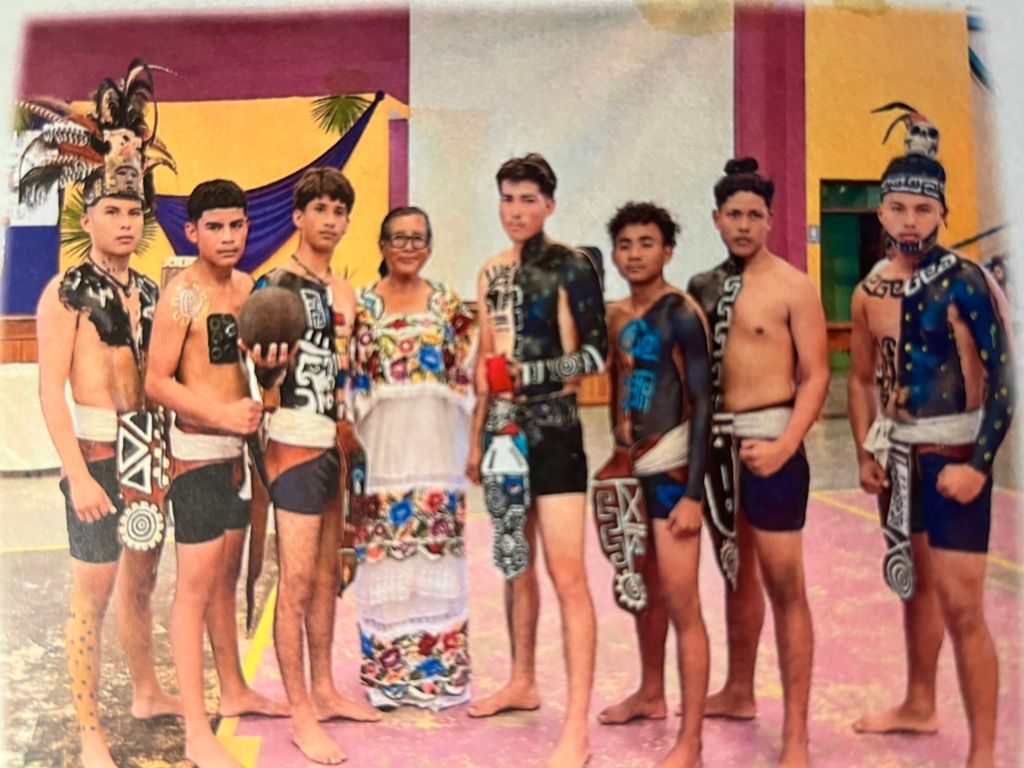
TGN: Where in Belize were you born?
FC: I was born in northern Belize in the quiet and peaceful village of Yo Creek in the Orange Walk district.
TGN: Growing up in Belize, what types of games did you play in your childhood?
FC: When I was growing up in Belize there was no television nor internet. As children we used to play simple games, often outdoors and with very few materials- marbles, hopscotch, hide and seek,jump rope,rolling tires, kite flying, tug of war, tag, ball against the wall.
TGN: When did you first become interested in learning more of your Maya heritage and culture? Do they teach Mayan history in Belizean school?
FC: I became interested in learning more about my Maya heritage at the age of 13.
When I was growing Belize was still known as British Honduras, schools did not teach much Maya history as part of the official curriculum.
TGN: What is poktapok, and how is it played?
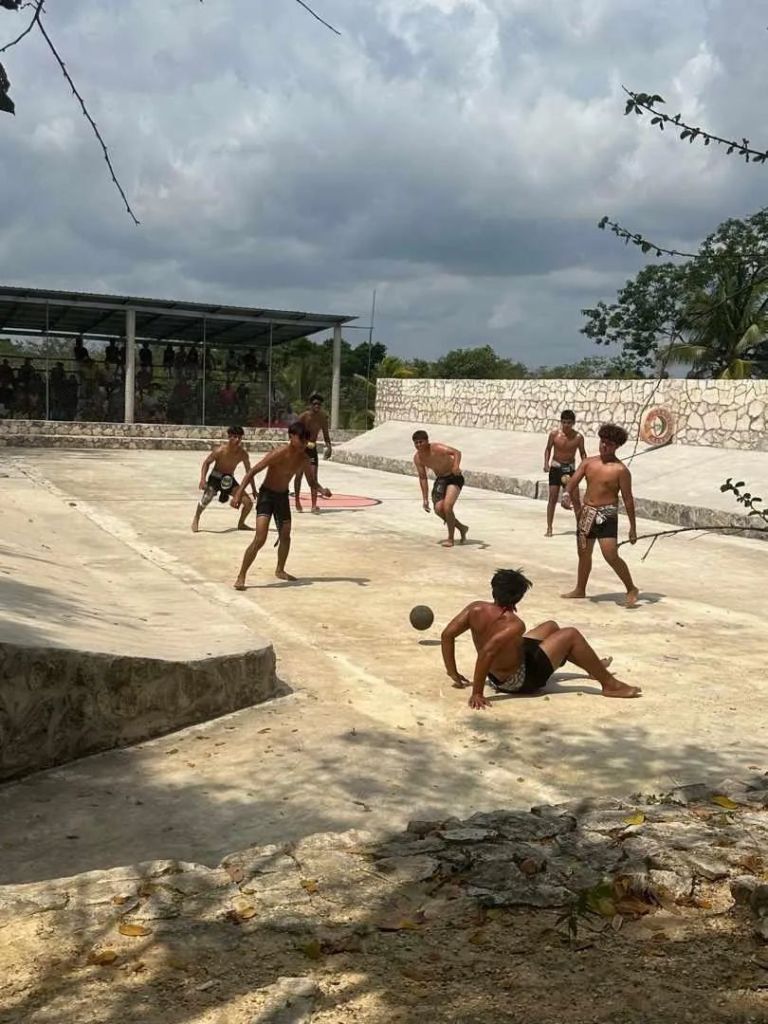
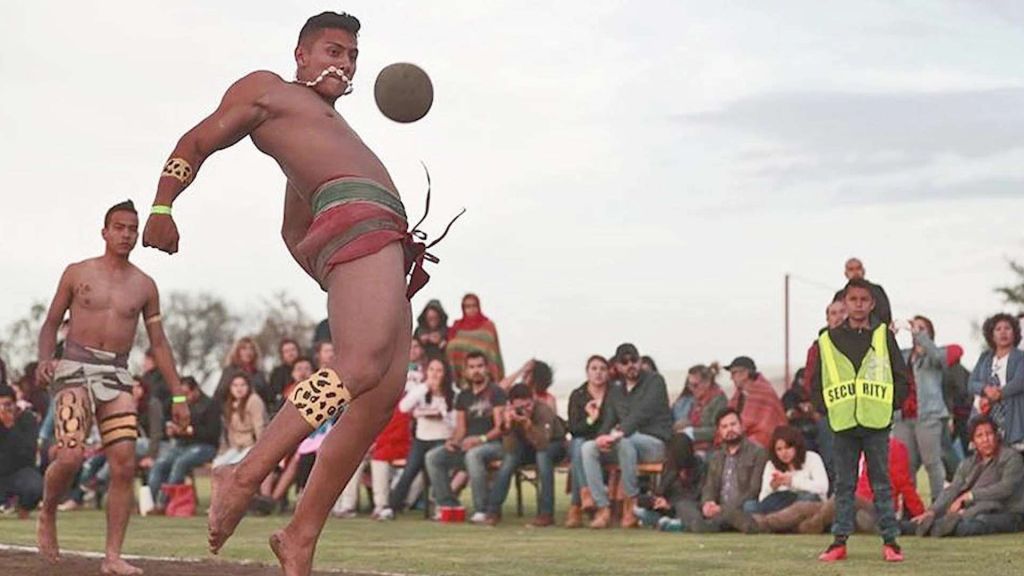
FC: Poktapok is an ancient ballgame of the Maya civilization played with a solid rubber ball.
Players hit the ball mainly with their hips (sometimes shoulders or forearms) to keep it in play and try to score without using their hands or feet.
TGN: When did you first become interested in the Maya ballgame (poktapok)?
FC: I first became interested in the Maya ballgame in 2003 after a vision about the game.
TGN: How difficult was it at first, to find other people that were interested in reviving the ancient game?
FC: Few people knew about Poktapok or understood its importance, but I inspired the youths, and showed the value of preserving Maya heritage to spark interest, so it was not difficult for me.
TGN: What is the age group of players that seem most interested in learning to play the game?
FC: At the beginning it was youths between 16 to 18 who first started to play the game.
TGN: Most of the original rules have been lost to history. Was it difficult for the game to be revived and also be kept close to the original way of playing?
FC: Yes. Because many of the original rules were lost, reviving Poktapok required studying ancient Maya carvings, writings, and traditions to recreate the game as close as possible to the original way it was played.
TGN: What are the names of the teams that you helped build?
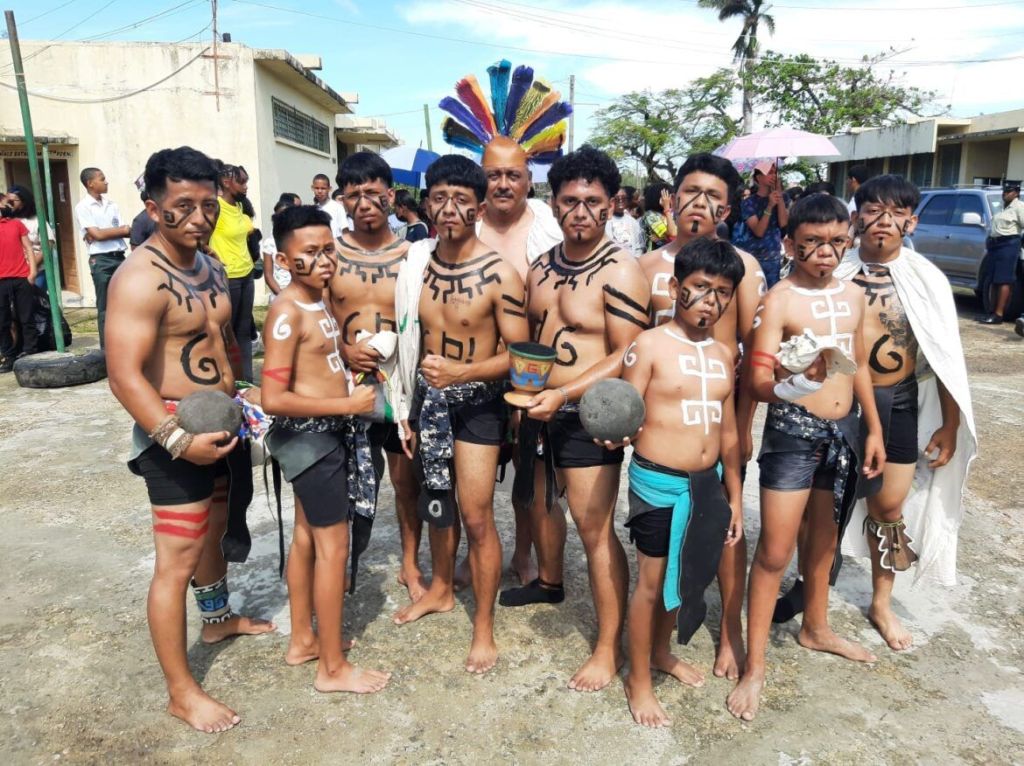
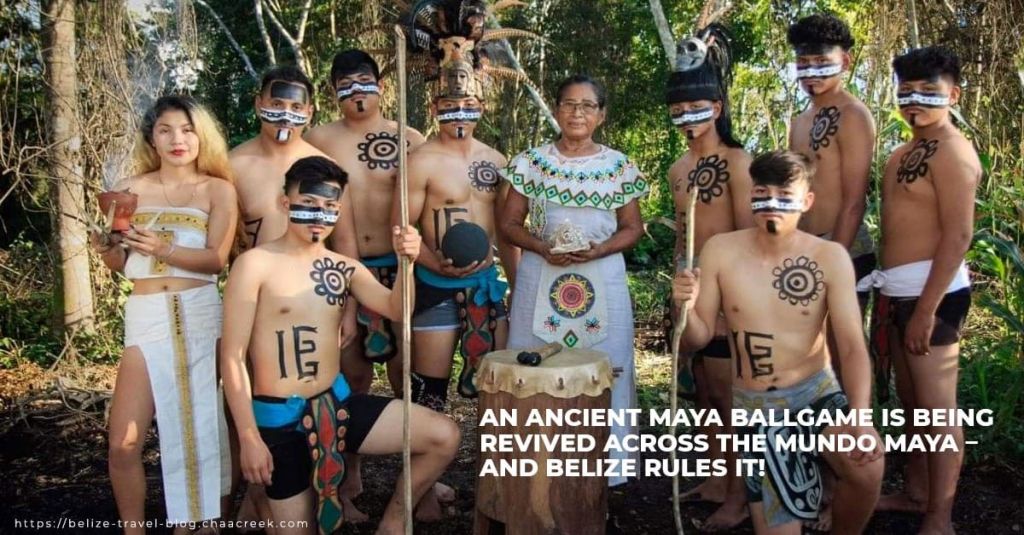
FC: Ek’,Balam- the first Poktapok team I formed. The name means Black jaguar,” inspired by my nawal animal, the jaguar in the tradition of the Maya civilization.
K’iinich Ahau Senior and U-17 teams. Later I organized this other team, meaning Sun God to continue promoting and teaching the ancient ballgame.
K’iinich Ahau female senior and U-17 teams.
TGN: I have spoken with someone who has brought the game into North America. Would you like to see the game spread to other regions, where people of Mesoamerican and Mayan heritage can experience it, in other parts of the world?
FC: Yes. Spreading Poktapok to other regions helps preserve the heritage of the Maya civilization and allows more people to learn and practice this ancient game.
TGN: What has been your favorite part about educating future generations about Maya heritage and language?
FC: My favorite part is seeing young people feel proud of their identity and reconnect with the knowledge, language, and traditions of the Maya civilization.
TGN: Thank you Felicita Cantun for helping to revive an ancient game, and share the knowledge of Maya culture and history.
FC: I feel honored to share the knowledge and traditions of the Maya civilization with younger generations, so they can grow with pride in their heritage and keep culture alive for the future.

 TheGameNarrative